Late Pickup Delays for Ilford Rubbish Removal and How to Avoid
Posted on 22/06/2026

If you have ever stood by a front gate with a pile of bags, a worn-out sofa, or a few awkward builders' sacks and thought, "Where on earth is the lorry?", you already know why late pickup delays for Ilford rubbish removal and how to avoid them matters. A delayed collection is not just annoying. It can throw off your day, upset neighbours, block access, and in some cases leave waste sitting out longer than it should.
The good news? Most delays are preventable with a bit of planning and a clearer understanding of how rubbish collection actually works in a busy part of east London. In this guide, we'll look at the common causes of late pickups, what you can do before the team arrives, and how to keep everything moving smoothly whether you're clearing a flat, an office, a garage, or garden waste. We'll also cover practical checks, comparison points, and the small details people often miss.
Why late pickup delays for Ilford rubbish removal and how to avoid matters
Late pickups are a bigger deal than most people expect. In a place like Ilford, where roads can be busy, parking can be tight, and access may change from one street to the next, even a short delay can create a chain reaction. A collection that arrives an hour late can affect school runs, work calls, loading bays, neighbours, and any other trade visits you have lined up that day. Not ideal.
There's also the practical side. Waste left outside too long can become a nuisance, attract complaints, or get in the way of pedestrians. If you are arranging a house clearance, you may be trying to hand keys over the same day. If you are clearing builders' waste, your contractor might be waiting to move on to the next phase. A late pickup can slow the whole job down.
For local customers, timing matters because rubbish removal is often part of a wider plan. You might be preparing a property sale, finishing a renovation, or simply trying to reclaim your spare room without spending the whole weekend in a mess of broken furniture and dust. That's why a collection that runs on time feels less like a convenience and more like the thing holding the day together.
Key takeaway: late pickups are usually avoidable, but only if the booking details, access, waste type, and communication are all handled properly from the start.
How late pickup delays for Ilford rubbish removal and how to avoid works
Most rubbish removal bookings follow a fairly simple pattern: you request a quote, agree a collection window, prepare the waste, and wait for the crew. The delay usually appears when one of those parts is incomplete or badly timed. Truth be told, the job often looks straightforward from the outside and a bit more layered in real life.
A removal team may be dealing with several collections in a single day. If the previous job runs long, traffic is heavier than expected, parking near the property is restricted, or the volume of waste differs from what was described, the schedule shifts. Sometimes it's the customer side too: waste not ready, bins blocked in, no one available to provide access, or a large item that needs extra handling. It's never just one thing, which is why prevention works better than blame.
To avoid late pickup delays, think of the service in three stages:
- Before booking: be accurate about what needs removing and where it is located.
- Before collection day: make access easy and the waste ready to load.
- On the day: keep communication open and stay reachable if anything changes.
That simple framework covers most of the common problems. If you are planning a larger job, such as a full house clearance in Ilford, a removal crew may need more time than a single-item collection, so the timing needs to be more deliberate from the start.
Key benefits and practical advantages
Preventing late collections does more than save a bit of stress. It improves the whole experience, and for many people that is the real win. You can get on with your day, avoid repeated phone calls, and reduce the chance of waste sitting around longer than planned. Simple, yes. But it makes a difference.
- Smoother scheduling: when the collection arrives on time, your next task can begin immediately.
- Less disruption: useful if you live in a shared building, on a narrow road, or near a busy entrance.
- Better value for money: efficient collections reduce the chance of rebooking or extra waiting.
- Lower stress: no one enjoys watching the clock and wondering if the team has vanished into the Ilford traffic void.
- Cleaner presentation: especially important for moving day, rental handovers, and commercial spaces.
The other benefit is reputational, if you manage a property or site. Timely waste removal helps keep a project looking organised. That matters for landlords, letting agents, office managers, shop owners, and builders who do not want a pile of rubble or old fixtures hanging around longer than necessary.
If you are comparing service types, it can also help to look at the wider offer. A company that explains its process clearly on a services overview page usually makes the booking process less hazy, which is often a good sign in itself.
Who this is for and when it makes sense
This topic is relevant to almost anyone booking waste collection in Ilford, but it is especially useful if your day is already tightly planned. If you are moving home, finishing renovations, or handling a property clearance, timing becomes a lot more important than people first realise.
It makes sense to focus on delay prevention if you are:
- clearing a home before a sale or tenancy change
- booking a one-off rubbish collection after a declutter
- disposing of furniture, white goods, or bulky items
- arranging garden waste removal during a weekend project
- managing office clearance with staff still working on site
- coordinating builders' waste after construction or renovation
For example, if you are doing a renovation, the skip or collection slot may need to fit around tradespeople, delivery drivers, and the dreaded "just one more trip to the hardware shop". If you are in a flat near a busy road or shared entrance, the exact arrival time can matter quite a bit. A delayed crew might not sound catastrophic on paper, but in practice it can be the difference between a calm afternoon and a very irritating one.
People who are buying, selling, or moving into property often find this especially useful too. Related planning guidance can be helpful if you are thinking about purchasing homes in Ilford or reading local context such as living in Ilford local insights.
Step-by-step guidance
Here's the practical part. If you want to reduce late pickup delays, do not wait until the morning of collection and hope for the best. A calmer, more methodical approach usually pays off.
- Describe the waste properly. Be clear about what you need removed: mixed rubbish, bulky furniture, garden waste, office items, or builders' debris. A sofa and a few bin bags are not the same job.
- Estimate volume honestly. Underestimating is one of the fastest ways to create schedule pressure. If the crew expects a small load and finds a full garage, the timeline changes.
- Check access details. Mention whether there are stairs, narrow entrances, controlled parking, gate codes, or long carries from the property to the vehicle.
- Prepare the waste in advance. Put items where they can be collected easily. If safe and practical, group them near the entrance rather than leaving them spread through several rooms.
- Keep the collection point clear. Move cars, bins, planters, toys, or anything else that could block loading. A tiny obstruction can become a surprisingly big delay.
- Stay reachable on the day. If the team needs to confirm access or clarify a detail, they should be able to reach you quickly.
- Allow a sensible time window. City traffic, parking, and previous jobs can all shift timings a little. A realistic window is better than a fantasy one.
If you're dealing with a more specific task, such as a rubbish collection in Ilford for domestic waste or an office clearance in Ilford for a business move, tailor the prep to the job rather than using a one-size-fits-all approach. That sounds obvious, but it gets missed all the time.
Expert tips for better results
In our experience, the best collections are usually the ones where the details were boringly thorough beforehand. Not glamorous, but effective. Here are the habits that tend to keep things on track.
- Send photos if requested. A few clear pictures of the waste and access route can prevent misunderstandings.
- Separate awkward items early. Mattresses, dismantled furniture, paint tins, and electrical items may need different handling.
- Know your parking reality. If a vehicle cannot stop nearby, mention it before the appointment, not after.
- Pick a time that suits the street. School-run hours, rush periods, and tight residential parking can all slow things down.
- Bundle small items together. Loose clutter scattered around a property takes longer to gather than people expect.
There is also a confidence factor. A good removal arrangement feels tidy from the beginning. If the quote process is vague or the scheduling feels fuzzy, that can be a sign to slow down and ask more questions. No drama, just prudence.
And yes, sometimes the problem is simply that everyone is trying to be polite and not mention the awkward bit. Better to say, "there's a narrow entrance and one awkward flight of stairs," than pretend it's all fine. That little bit of honesty can save a whole afternoon.
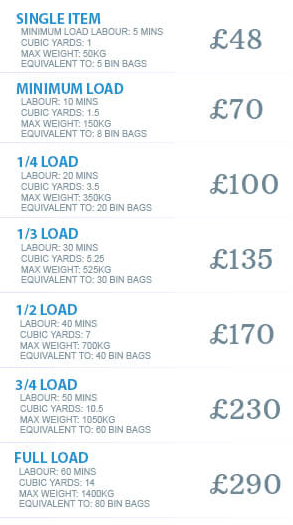
If you want to compare cost structure and avoid surprises, it is worth reviewing pricing and quotes information alongside practical timing details. Cost and punctuality are linked more often than people think.

Common mistakes to avoid
Most late pickup problems come down to a small handful of avoidable mistakes. The irony is that they often seem minor until the collection day arrives and suddenly they are not minor at all.
- Being vague about the load: "a bit of rubbish" is not enough information for a serious job.
- Forgetting access constraints: tight roads, low bridges, shared entrances, or permit restrictions can affect timing.
- Leaving waste unprepared: if everything is still scattered when the crew arrives, loading takes longer.
- Not checking the scope: some items may need special handling, and that can change the schedule.
- Assuming one collection style suits every property: a garage clearance is not the same as a loft clearance, and a flat clearance is not the same as garden waste removal.
- Ignoring local traffic patterns: Ilford roads can be busier than they look on a quiet morning.
One particularly common issue is booking a collection for the same day as another major event. You know the type: the van is due between meetings, the cleaner is coming later, and you are somehow also meant to take delivery of a new sofa. It sounds efficient until the schedule starts wobbling. Then everybody notices.
For larger or more complex clearances, it can help to look at related service pages such as garage clearance, loft clearance, or furniture disposal in Ilford to match the right service to the right job.
Tools, resources and recommendations
You do not need a complicated toolkit to avoid pickup delays. Mostly you need organisation, a phone, and a willingness to answer a few specific questions before the booking is confirmed.
- Photos of the waste: useful for showing volume and item type.
- Notes on access: include parking, stairs, gate access, and any building rules.
- Basic sorting materials: sacks, boxes, labels, and tape can keep items grouped and easier to handle.
- A clear plan for what stays and what goes: especially useful in house clearances where rooms can get mixed up quickly.
- A backup contact person: helpful if you will be unavailable during the collection window.
It is also smart to check whether the provider explains waste handling and environmental practice clearly. A business that talks openly about recycling and sustainability usually shows a more mature approach to disposal overall, even if your immediate concern is just getting the job done on time.
If you are comparing ways to get rid of larger volumes, the choice between direct collection and other methods such as skip hire in Ilford may depend on space, speed, and how long the waste needs to stay on site. Different tools suit different situations. There isn't a perfect answer for every driveway, sadly.
Law, compliance, standards and best practice
When rubbish is being removed from homes or commercial premises, the collection should be handled responsibly and in line with normal UK waste management expectations. You do not need to become a legal expert, but a few common-sense standards are worth knowing.
First, make sure waste is only handed to someone who is set up to dispose of it properly. If waste is dumped illegally later, the problem can come back to bite the original holder of the waste in awkward ways. That is exactly why it helps to work with a provider that takes safety and process seriously. You can review a provider's approach through pages such as insurance and safety and the about us page to understand how they present themselves.
Second, some materials need extra care. Electrical items, sharp materials, heavy debris, and mixed construction waste should be discussed in advance. There may also be practical requirements around access, manual handling, and safe lifting. None of this needs to be overcomplicated. It just needs to be taken seriously.
Third, keep to the agreed terms. If the booking is for a certain volume or type of waste, be honest if that changes. A fair arrangement depends on accurate information. The same goes for the fine print. A quick read of the relevant terms and conditions can prevent confusion later, especially if your project timetable is tight.
Finally, it never hurts to ask how the team handles payment, paperwork, and data. Clear processes around payment and security and privacy policy are reassuring, even if they are not the most exciting part of the booking. Not exactly thrilling reading, but useful. Very useful.
Options, methods, or comparison table
If you are trying to avoid late pickup delays, the right method matters as much as the right timing. Here is a simple comparison to help you choose the least awkward option for your situation.
| Option | Best for | Delay risk | Notes |
|---|---|---|---|
| Booked rubbish collection | General household waste, mixed items, one-off clearances | Low to moderate | Works well if access and waste details are clear in advance |
| House clearance | Full rooms, moves, probate, end-of-tenancy clearances | Moderate | More moving parts, so prep time matters more |
| Office clearance | Business premises, desks, filing, mixed office items | Moderate | Needs good coordination if staff are still on site |
| Skip hire | Projects that create waste over several days | Low once delivered, but depends on access | Good for ongoing work, less suited to urgent same-day removal |
| Specialist item disposal | Furniture, loft contents, garage clutter, garden waste | Low if details are accurate | Best when the waste type is described clearly and early |
The simple rule is this: the more complex the job, the more important preparation becomes. A tiny misunderstanding on a single-item collection is one thing. The same misunderstanding during a full property clearance is another story entirely.
Case study or real-world example
Here's a realistic scenario. A homeowner in Ilford is getting ready for a Saturday afternoon handover and needs a mix of old furniture, bagged clutter, and a few garage items removed. They book the collection, but initially only mention "some furniture and rubbish." On the day, the crew arrives and finds a heavier load than expected, plus a narrow side access route partly blocked by a parked car. Nothing dramatic. Just enough to slow everything down.
After that first experience, the homeowner changes approach for the second collection. They send photos, mention that the gate is around the back, move the car the night before, and split items into clearly grouped piles. The second visit is much smoother. The crew can get in, load up, and leave without that awkward back-and-forth that eats into everyone's day.
That is really the lesson: delays are often less about bad service and more about incomplete information. A small bit of prep can turn a tense collection into a fairly ordinary, efficient one. And ordinary is good here. Ordinary is what you want.
For people tackling a more specific local job, area-focused content such as the Ilford High Road rubbish removal guide or Gants Hill rubbish removal and clearance near the tube can be useful for thinking through access, timing, and the local rhythm of the area.
Practical checklist
Use this before collection day. It keeps things simple and catches the annoying little details before they become real problems.
- Confirm the collection date and time window.
- Double-check what items are being removed.
- Take photos if the load is large or awkward.
- Share access details, including stairs, gates, parking, or loading restrictions.
- Move vehicles or obstacles out of the way.
- Separate anything that may need special handling.
- Keep your phone on during the collection period.
- Make sure the waste is ready and easy to reach.
- Review the booking terms so there are no surprises.
- Have a fallback plan if timing shifts slightly.
If you are dealing with a larger property change, it can also help to read a little more about avoiding hidden rubbish removal charges in Ilford, because delay prevention and pricing clarity often go hand in hand.
Quick summary: clear details, clear access, clear timing. That trio avoids a lot of stress.
Get a free quote today and see how much you can save.
Conclusion
Late pickup delays for Ilford rubbish removal and how to avoid them comes down to a mix of preparation, communication, and realistic scheduling. Most collections go smoothly when the waste is described properly, access is easy, and everyone knows what to expect. Most of the headaches happen when one of those pieces is left vague.
If you remember nothing else, remember this: take five extra minutes before the booking to think like the person doing the loading. Where will the vehicle stop? What needs lifting? What might slow things down? That small shift in perspective can save a surprising amount of time later.
And if the day does not go exactly to plan? Fair enough. Life in Ilford, like anywhere in London, has a habit of being a little busier than the timetable suggests. But with the right prep, your rubbish removal can still be one of the smooth parts of the week.
A calm collection is a small thing, really - but on a busy day, it feels like a relief.