Ilford High Road Rubbish Removal Guide IG1 IG2
Posted on 26/05/2026
Ilford High Road Rubbish Removal Guide IG1 IG2: A Practical Local Guide for Faster, Safer Clearances
If you live, work, or run a property on or near Ilford High Road, rubbish builds up faster than people expect. A back room fills with boxes, a garden gets away from you after one wet weekend, a flat sale leaves furniture behind, and suddenly the whole job feels bigger than it should. This Ilford High Road Rubbish Removal Guide IG1 IG2 is here to make the process clearer, calmer, and much more manageable.
Whether you are clearing a single bulky item, dealing with a full property, or trying to keep a business premises tidy without disrupting customers, the key is knowing what to remove, how to remove it, and what to avoid. A good clearance plan saves time, keeps the street usable, and helps you make sensible choices about recycling, disposal, and cost. Truth be told, it also saves a lot of stress.
Below, you'll find a practical local guide covering how rubbish removal on Ilford High Road typically works, who it suits, what to check before booking, and the mistakes that can make a simple job turn into a headache. If you want a broader overview of available services, you can also review the services overview and, if you are dealing with a bigger property clear-out, the page for house clearance in Ilford can be useful too.
Why Ilford High Road Rubbish Removal Guide IG1 IG2 Matters
Ilford High Road is one of those places where everyday life moves quickly. Shops trade, flats turn over, people move in and out, and homes are renovated, rented, sold, or refreshed. That means waste appears in all sorts of forms: cardboard from deliveries, broken furniture, old carpets, garden clippings, office clutter, trade debris, and the occasional "where did all this come from?" pile in the hallway.
What makes rubbish removal here different is not just the volume. It is the mix of access, timing, and local pressure. On a busy road, the wrong choice can block entrances, create awkward lifting risks, or leave waste sitting out longer than it should. If you are dealing with a property move, you may also be juggling inspections, estate agent deadlines, or a handover date that does not care whether the sofa fits through the stairwell.
This guide matters because the right approach helps you avoid wasted journeys, hidden charges, and last-minute panic. It also helps you think beyond "get it gone" and ask a better question: how do I clear this properly, safely, and with the least disruption?
A lot of readers also find it useful to understand the local context around the area before planning a clearance. If that is you, the article on living in Ilford and local insights gives a broader feel for day-to-day life in the neighbourhood, while exploring the hidden gems of Ilford London offers a more place-based view of the area around your clearance work.
Practical takeaway: the best rubbish removal plan is not always the fastest one on paper. It is the one that fits your access, your timing, and the type of waste you actually have.
How Ilford High Road Rubbish Removal Guide IG1 IG2 Works
At a simple level, rubbish removal is a collection, loading, transport, and disposal or recycling process. In practice, there are a few more moving parts. You identify the waste, estimate the volume, decide whether it is suitable for collection or needs a special approach, and then arrange a service that matches the job.
For High Road properties, the main considerations are access and timing. A terraced property with a narrow hallway is not the same as a shop with rear access. A first-floor flat above a parade of shops creates a different lift-and-carry challenge than a garage clearance at the back of a house. Sounds obvious, but people miss it all the time.
Typical rubbish removal jobs in IG1 and IG2 include:
- single-item pickup such as mattresses, wardrobes, or old appliances
- bulk rubbish clearance from flats, maisonettes, and houses
- builders' waste after refurbishments or repairs
- garage, loft, and shed clearances
- garden waste removal after pruning, digging, or seasonal tidy-ups
- office and shop clearance when premises change hands or get decluttered
If your waste includes mixed household items and furniture, a general rubbish clearance service may suit you best. If the job is mainly bulky furnishings, a dedicated furniture disposal service in Ilford can be the cleaner fit. And if you are clearing out a loft or half-forgotten storage space, the dedicated loft clearance and garage clearance pages are worth a look.
The main thing to remember is that decent providers usually want a quick description, a rough volume estimate, and a photo if possible. That allows them to judge the labour, vehicle size, and any special handling needs. A little prep saves everyone time. Honestly, it does.
Key Benefits and Practical Advantages
Choosing the right rubbish removal approach around Ilford High Road offers more than a tidy space. It can improve safety, reduce delay, and make property transitions easier. Here are the benefits that matter most in real life.
1. Faster space recovery
When clutter starts restricting movement, it affects how you use the property. A cleared hallway, back room, or shop storage area immediately feels more usable. That can matter if you are preparing for tenants, listing a property, or just trying to stop a spare room becoming a dumping ground.
2. Less physical strain
Bulky lifting is where a lot of DIY clearance plans go sideways. Mattresses, broken wardrobes, and old filing cabinets are awkward even before stairs and tight corners enter the picture. A professional approach reduces the chance of back strain, broken walls, scratched floors, and those tiny "I'll just drag it" moments that never go well.
3. Better sorting and recycling
Waste is not all the same. Wood, metal, cardboard, green waste, and mixed household junk usually need different handling. A good service will sort where possible and divert recyclable material from general waste streams. That is better for the environment and, in many cases, better for your conscience too.
You can read more about local practices and responsible disposal on the recycling and sustainability page, which is especially relevant if you care about reuse, recycling, and reducing avoidable landfill use.
4. Cleaner property handovers
If you are moving out, selling, or letting a property, a clean handover matters. Estate agents, landlords, and incoming occupiers often notice the details: the loose debris in the corner, the old chair in the shed, the pile of packaging in the yard. Clear those bits and the whole place presents better. Small things, big effect.
5. Better planning for busy local access
Ilford High Road can be busy at peak times. Choosing the right collection window helps reduce disruption, avoid awkward loading situations, and keep things moving. This is one of those practical details that feels minor until it is not.
Who This Is For and When It Makes Sense
This kind of rubbish removal guide is useful for a wide range of people, and not just homeowners. In fact, one of the most common mistakes is assuming clearance is only needed for major life events. Not at all.
- Homeowners clearing unwanted furniture, loft contents, old appliances, or garden debris
- Tenants needing to leave a property tidy before moving day
- Landlords and letting agents managing between-tenancy clearance or bulky leftovers
- Businesses clearing old office furniture, packaging, archive waste, or outgrown stock
- Tradespeople needing reliable removal of builders' waste after repairs or refurbishments
- People managing estates or inherited property where a full or partial house clearance is required
Sometimes the decision is straightforward: the waste is too heavy, too much, or too mixed to deal with safely alone. Other times, you are technically able to do it yourself, but the time and hassle just do not add up. A Saturday spent loading a car full of broken shelves is not everyone's idea of progress, let's face it.
If your project involves a larger property clearance, the dedicated house clearance in Ilford IG1 page may fit better. For office-specific work, the office clearance service is usually the more relevant route.
Step-by-Step Guidance
If you want a smooth clearance on or near High Road, follow a simple process. Nothing fancy. Just a sensible sequence that helps you avoid mixed messages and hidden delays.
- Identify the waste type
Separate household rubbish, furniture, garden waste, builders' debris, and any items that may need special handling. Fridge freezers, paint tins, and some electrical items need more care than a broken table. - Estimate the volume
Is it a few bags, a van-load, or several loads? A rough estimate is enough to start. If you are unsure, take photos from a few angles in daylight. That small step often prevents pricing confusion later. - Check access
Note stairs, narrow corridors, front-door width, parking restrictions, rear access, and any lifting obstacles. A clear route makes collection faster and safer. - Choose the right service
Match the job to the service. For example, garden waste should usually go to a garden waste removal service, while renovation debris is better suited to builders' waste clearance in Ilford. - Ask for a clear quote
Make sure you know what is included: labour, loading, disposal, recycling, and any extra charges for access or special items. It is far better to ask than assume. - Prepare the area
Move small personal items, secure fragile pieces, and make a clear route to the waste. If possible, separate items you want to keep. People often forget a box of documents until the last minute. Not ideal. - Arrange collection at a practical time
For high-traffic areas, timing matters. Morning slots can be helpful for access, but the right choice depends on your property and the flow of the street. - Confirm disposal expectations
Ask how items will be handled after collection. Reuse, recycling, and lawful disposal should all be part of the process, not an afterthought.
A quick example: a flat above a retail unit on High Road might need two people, a short lifting route, and a specific time window to avoid the busiest footfall. A garden clear-out on the same day could be simpler, but only if the waste is properly bagged and separated. Same street, different job. That's the reality.
Expert Tips for Better Results
Most clearance jobs go more smoothly with a little thought beforehand. The tips below are the ones that tend to save time, reduce back-and-forth, and stop people paying for avoidable extra work.
Take photos in normal light
Photos taken in daylight give a clearer view of waste volume and access. A quick picture of the pile, the stairs, and the exit route can be more useful than a long explanation. A blurry evening photo after tea? Less helpful, to be fair.
Separate reusable items early
If you have usable furniture, unopened household goods, or materials that could be reused, separate them before the collection. That gives you a better chance to keep what matters and avoid chucking out things too quickly.
Think about parking and loading
On a busy road, parking or stopping space can affect the speed of the job. If access is tight, tell the provider in advance. It is much better than everyone turning up and then spending ten minutes staring at the road going, "Right... how exactly is this going to work?"
Use the right service for the job
It sounds basic, but people often book a general collection when they really need a specialist service. A few examples:
- single furniture pieces: furniture disposal
- full cluttered rooms: junk removal
- households and moving-out clearances: house clearance
- ongoing mixed rubbish: rubbish clearance
Keep one small "do not move" area
When a property is busy, it helps to have one clearly marked space for important documents, keys, chargers, and anything personal. Simple. Effective. Easy to forget.
Ask about insurance and safe handling
For heavier or awkward items, check that the team works with appropriate safety practices. A reputable provider should be able to explain how they manage lifting, loading, and liability in a straightforward way. The insurance and safety information is a useful reference point here.

Common Mistakes to Avoid
A lot of clearance stress comes from preventable mistakes. The good news is that most of them are easy to avoid once you know what to look for.
- Underestimating the volume - a few bags can quickly become a full load once you start lifting and sorting.
- Ignoring access issues - narrow stairs, parking restrictions, and shared entrances can slow everything down.
- Mixing hazardous items with general waste - paint, chemicals, and some electrical items may need separate handling.
- Leaving it until the last minute - this is how moving-day chaos happens.
- Not checking what is included in the quote - always confirm labour, disposal, and any extras.
- Forgetting about recycling opportunities - some items can be reused or diverted more responsibly than others.
One mistake that comes up surprisingly often is clearing everything in a hurry and then realising a valuable or sentimental item got bundled in with the rubbish. It happens. More than people like to admit. Slow down for ten minutes at the start and you may save yourself a lot of regret later.
Tools, Resources and Recommendations
You do not need much to plan a rubbish removal job well, but the right tools make a difference. Here are the basics that help most people stay organised.
- Phone camera - for photos of the waste, access points, and parking situation
- Measuring tape - useful for checking bulky items like wardrobes, sofas, and appliances
- Heavy-duty bags or sacks - for loose waste and smaller clear-outs
- Gloves - for sorting, especially in lofts, garages, and gardens
- Labels or sticky notes - to mark keep, donate, recycle, and dispose piles
- Access notes - gate codes, floor numbers, and parking details all help
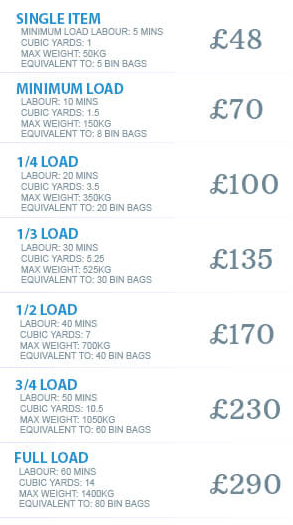
For pricing questions, the pricing and quotes page can help you understand how costs are typically discussed. If you want to know more about who you are dealing with, the about us page is a sensible next stop.
And if you are comparing different ways to remove waste, it is also worth looking at rubbish collection in Ilford for straightforward collections and skip hire in Ilford if your project suits a longer on-site container. Different jobs, different answers.
Law, Compliance, Standards, or Best Practice
Waste handling in the UK should be done with care, especially when a job involves mixed materials, business waste, or anything potentially hazardous. You do not need to become a waste law expert before booking a clearance, but you should expect responsible handling and lawful disposal.
Good practice usually includes:
- sorting recyclable and non-recyclable items where practical
- handling electrical items and appliances appropriately
- keeping hazardous materials separate
- avoiding fly-tipping or unlicensed disposal routes
- using a provider that can explain how waste is managed after collection
If a business property is involved, the expectations around duty of care are even more important. You should be confident that waste is removed by a legitimate provider and not simply passed on without proper handling. If that part feels unclear, ask questions. A reliable company will not mind.
For customers who care about responsible operations more broadly, the site's modern slavery statement and privacy policy can also help build trust around how the business operates. Slightly formal pages, yes, but still part of the picture.
Options, Methods, or Comparison Table
People usually choose between a few main approaches. The right one depends on volume, speed, access, and how much effort you want to spend yourself.
| Method | Best for | Pros | Watch-outs |
|---|---|---|---|
| Man-and-van rubbish removal | Quick clearances, mixed waste, bulky items | Fast, flexible, usually minimal disruption | May be less suitable for long-duration projects |
| Skip hire | Longer projects, DIY work, staged loading | Useful if waste is generated over several days | Needs space, permits may be relevant, loading is your job |
| Specialist clearance service | House clearances, office moves, larger or sensitive jobs | More hands-on support and better for awkward access | Usually more tailored, so quote details matter |
For many High Road properties, a collection-based service is often the simplest option because access and time are tight. But if you are doing a gradual refurb or clearing a large garden, skip hire may be the better fit. There is no universal winner. Just the right match.
Case Study or Real-World Example
Imagine a small flat just off Ilford High Road that has been rented for several years. The tenant has moved out, the landlord needs a quick turnaround, and the property still contains a bed frame, a broken bookcase, some kitchen bits, and a stack of cardboard from replacement appliances. Nothing dramatic. Just a very ordinary, very annoying mess.
In a situation like that, the best route is usually to sort the waste into broad categories first. The furniture goes in one group, the cardboard and packaging in another, and any small mixed rubbish in bags. Photos are taken of the stairwell and entrance, because the loading route is narrow. A collection is booked for a quieter part of the day, allowing the team to work without standing in the way of foot traffic outside.
What makes the job go well is not speed alone. It is preparation. The landlord saves time, the property is ready for cleaning sooner, and the waste is removed without needless back-and-forth. The flat feels like a blank slate again. There is a real sense of relief in that, especially when a deadline is looming.
Another common scenario is a shop on the High Road replacing old stockroom shelving and cardboard excess after a delivery cycle. In that case, the right approach might include both light commercial waste removal and a separate plan for packaging and bulky fittings. A mixed job needs a mixed plan. Simple as that.
Practical Checklist
Use this checklist before booking or on the day of collection. It keeps things tidy and reduces the chance of surprises.
- Have I identified all items to remove?
- Do I know whether the waste is household, furniture, garden, builders', or mixed?
- Have I taken clear photos of the pile and access route?
- Is there any hazardous or special waste that needs separate handling?
- Have I measured bulky items that might be difficult to lift?
- Is parking or stopping access likely to be an issue?
- Have I separated anything I want to keep?
- Do I understand what is included in the quote?
- Have I checked whether recycling or reuse is part of the process?
- Is the collection time practical for the property and the street?
One small but useful habit: put a note on the front door or in the entrance if you are dealing with multiple occupants or contractors. It sounds almost too simple, but it helps avoid confusion. Especially on a busy day when everyone seems to be carrying something heavy and nobody wants to stop and ask twice.
Conclusion
Rubbish removal on or near Ilford High Road does not need to be complicated. Once you know what kind of waste you have, how much there is, and what access looks like, the rest becomes much more manageable. The key is choosing the right service for the right job, rather than treating every clearance as if it were the same.
If you are clearing a flat, a family home, a shop, a loft, a garage, or a garden, a careful plan will save time and reduce stress. It will also help you avoid common mistakes like overfilling a vehicle, mixing waste types, or leaving the whole thing until the last possible minute. That last one, frankly, is a classic.
Use the advice above to prepare well, ask the right questions, and make sure the removal process suits your property and your schedule. Good clearance should feel straightforward, not chaotic. And once it is done, there is a real satisfaction in standing back and seeing the space properly again.
If you are ready to move forward, you can contact the team here for help with your next step.
Get a free quote today and see how much you can save.