Gants Hill Rubbish Removal and Clearance Near the Tube
Posted on 29/05/2026
If you live, work, or rent near Gants Hill station, you already know the area has its own rhythm. People are moving in and out, flats get refreshed, gardens need clearing after a weekend of work, and builders' debris seems to appear faster than you can sweep it away. That is where Gants Hill rubbish removal and clearance near the Tube becomes more than a convenience. It is a practical way to keep homes, landlords' properties, offices, and renovation sites tidy without turning your week upside down.
This guide explains how local rubbish removal works, what to expect, how to choose the right service, and where the common traps are. You will also find a simple checklist, a comparison table, and links to useful local pages such as the full services overview, pricing and quotes, and recycling and sustainability guidance. If you want a cleaner space without the faff, you are in the right place.

Why Gants Hill Rubbish Removal and Clearance Near the Tube Matters
Gants Hill is busy in a very London way. There are commuters, shared homes, shopfronts, small businesses, and plenty of properties that get turned over quickly. That means rubbish piles up in all the usual places: front gardens, hallways, lofts, garages, side returns, loading areas, and the space just inside a flat where "we'll deal with it later" becomes a problem by Friday.
Being near a Tube station changes the picture a little. Access can be tight. Parking may be limited. Lifts are not always available. And if you have ever tried to move a broken wardrobe down two flights of stairs in a narrow block corridor, you already know the answer: sometimes it is better to let professionals handle it.
Local clearance matters because it keeps places usable, safe, and presentable. It also helps when you are preparing a property for sale, letting, renovation, or a changeover between tenants. For broader home-moving or property planning context, the articles on purchasing homes in Ilford and real estate strategies buying in Ilford are useful companions, especially if clearance is part of a bigger move or upgrade.
Practical truth: rubbish removal is not just about getting rid of stuff. It is about reducing friction. Fewer delays. Fewer hazards. Less stress. And, to be fair, a much nicer smell if old waste has been sitting around too long.
How Gants Hill Rubbish Removal and Clearance Near the Tube Works
Most local rubbish removal jobs follow a fairly simple pattern, even if the property itself is a bit awkward. The process usually starts with a description of what needs clearing, followed by a quote or an estimate, then a collection time arranged around access and volume. On the day, the team arrives, loads the items, and takes them away for sorting, recycling, or disposal.
In a Tube-adjacent area, the logistics matter more than people expect. A good team will think about where the vehicle can stop, how far they need to carry items, whether there is lift access, and whether the waste includes anything awkward such as heavy furniture, garden cuttings, builders' debris, or mixed junk from a loft or garage.
The best services are also straightforward about what they can and cannot take. For example, a large house clearance is different from a simple sofa collection. Office clearances have their own considerations. Builder's waste is another category entirely, which is why a dedicated page such as builders waste clearance in Ilford can be helpful if your project involves plasterboard, timber offcuts, tiles, or rubble.
In real life, the day can look like this: a van pulls up early, someone checks the items, and then the job gets cleared before lunch. You hear the shuffle of bins, cardboard rustling, maybe a bit of stairwell echo, and then suddenly the room feels bigger. Small miracle. Happens all the time.
Key Benefits and Practical Advantages
The main benefit of professional rubbish removal is simple: you save time and effort. But there are several other advantages that matter just as much in an area like Gants Hill.
- Faster turnaround: Useful when you need a flat, office, or rental property cleared before a handover.
- Less physical strain: Heavy lifting, awkward furniture, and stair carries are no joke, especially in older buildings.
- Cleaner finish: A proper clearance is usually neater than a rushed DIY job.
- Better recycling separation: Mixed waste is often sorted more responsibly than if everything is dumped together.
- Reduced disruption: Nearby residents, neighbours, and commuters are less likely to be affected if the work is planned well.
- More flexible for tight access: Local teams are used to London parking, narrow roads, and quick turnaround requirements.
There is also a practical value in avoiding multiple trips to a tip or recycling facility. If you have a load of old furniture, broken appliances, and bagged general waste, a one-visit clearance can be much more sensible than trying to do it bit by bit over several weekends.
If you are dealing with storage areas, lofts, or leftover household clutter, the related services on loft clearance, garage clearance, and junk removal in Ilford may fit what you need even better than a broad "rubbish collection" search.
Who This Is For and When It Makes Sense
This service is useful for a lot more people than first-time movers. If your space feels stuck, overfull, or hard to use, you are probably in the right territory.
Homeowners and tenants
Maybe you have a spare room filled with boxes, a hallway blocked by old furniture, or a kitchen appliance that has lived in the corner far too long. A clearance service gives you a fresh start without spending your whole weekend lifting and sorting.
Landlords and letting agents
When a tenancy ends, the amount left behind can vary wildly. Sometimes it is just a few bags. Sometimes it is a sofa, a mattress, and a mystery pile in the garden. A local team can help get the property back into a rentable state quickly. For fuller end-of-tenancy or inheritance scenarios, house clearance in Ilford is often the most relevant next step.
Businesses and offices
Office clearances near transport links can be especially useful because staff, stock, and equipment often move through compact spaces. Old desks, chairs, filing cabinets, and redundant electronics need a careful and tidy approach. If that sounds familiar, take a look at office clearance in Ilford.
Builders and renovators
Refits generate waste fast. One day you have a clean room; the next you have dust, packaging, offcuts, and broken materials in a heap. Builders' waste needs sensible handling, ideally on a schedule that does not interrupt the work.
People in a hurry
Sometimes the reason is just time. You have a deadline. Maybe the estate agent is coming. Maybe a move is happening on Thursday. Maybe the storage unit bill is creeping up and you want the lot gone. Fair enough.
Step-by-Step Guidance
If you want the process to go smoothly, it helps to think through the job before the van arrives. You do not need to overcomplicate it. Just be clear about what stays and what goes.
- Walk through the space carefully. Check rooms, lofts, cupboards, outdoor corners, and storage areas. Rubbish has a sneaky habit of hiding in plain sight.
- Separate the obvious keepers. Put aside documents, valuables, personal items, chargers, and anything you are unsure about.
- List the main waste types. Furniture, general household waste, garden cuttings, old office furniture, builders' debris, or mixed junk all help shape the job.
- Check access. Think about stairs, lifts, parking, loading points, and whether the team will need to carry items a long way.
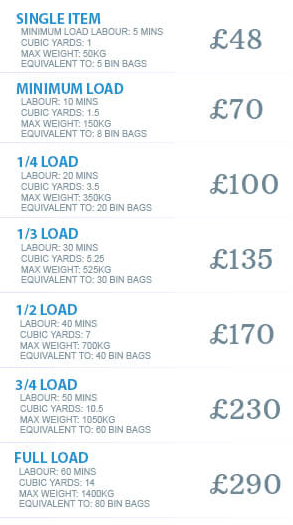
- Ask for a clear quote. Good pricing should be based on volume, material type, labour, and access. If you are comparing options, the page on pricing and quotes is worth reading.
- Book a suitable time. For a Gants Hill property near the Tube, timing around rush hours can make life easier.
- Be present if possible. Not always necessary, but being there helps when questions come up about what should be removed.
- Do a final check before loading. This is the moment people forget. Then they remember after the van leaves. Happens.
For many readers, the most important step is the first one: do not mix up clearance with decluttering. They overlap, sure, but they are not identical. Decluttering is deciding what you want to keep. Clearance is moving what is left out safely and efficiently.
Expert Tips for Better Results
A few small decisions can make the difference between a smooth clearance and a messy one. None of these are complicated, but they save time and stress.
- Group items by type. Keep furniture together, bagged waste together, and recyclables together if you can. It makes loading quicker.
- Measure anything bulky. Wardrobes, sofas, and mattresses can look smaller in a room than they do in a stairwell.
- Clear pathways first. A tidy route from room to door speeds the whole job up.
- Be realistic about mixed waste. If a load contains soil, plasterboard, broken furniture, and general junk, mention that early.
- Ask about recycling. A responsible company should be able to explain how different waste streams are handled in normal, plain English.
- Plan around neighbours. A polite heads-up can help if the clearance involves shared access or early-morning noise.
One small but useful habit: take a quick phone photo of the main load before the team arrives. It helps you compare the job against the original request, and it can prevent awkward "oh, I forgot that pile" moments.
And if you are balancing a bigger move or refurbishment, it can help to read a bit about local property and lifestyle context too, such as living in Ilford local insights or exploring the hidden gems of Ilford London. Not because they tell you how to clear rubbish, but because they give a better feel for the area and how people use these spaces day to day.

Common Mistakes to Avoid
Most clearance problems are predictable. That is the annoying part. The good news is they are easy to avoid once you know what to look for.
- Underestimating the volume: A few "small" piles can become a full load very quickly.
- Leaving sorting until the last minute: This slows things down and increases the chance of removing something you meant to keep.
- Ignoring access issues: Narrow staircases, parking restrictions, and awkward lifts need to be mentioned upfront.
- Choosing the wrong service type: Rubbish collection, house clearance, office clearance, garden waste removal, and skip hire all serve slightly different needs.
- Not checking what happens to waste: Ask whether reusable items are separated, and how waste is processed.
- Forgetting safety: Heavy lifting, sharps, dust, mould, and broken glass need care. Don't just grab and go.
Another common mistake is assuming every clearance job should be handled the same way. It really shouldn't. A single sofa disposal is not the same as a full house clearance after a long tenancy. Likewise, garden waste can be very different from household junk. If you need a more tailored solution, the dedicated pages for garden waste removal, furniture disposal, and rubbish clearance in Ilford are a good match for narrower jobs.
Tools, Resources and Recommendations
You do not need a toolkit the size of a builder's van to get ready for a clearance. A few simple items are enough.
- Heavy-duty bin bags: For loose household waste and small clutter.
- Labels or sticky notes: Handy for marking keep, remove, donate, and unsure.
- Gloves: Useful for dusty lofts, garden waste, and old storage areas.
- Basic measuring tape: Worth keeping around for furniture and access checks.
- Phone camera: Helps document the job and avoid confusion.
- Checklist on paper or phone: Keeps you focused when the space starts to look chaotic.
As for recommendations, start with the service page that matches your job. A general clear-out may fit waste removal in Ilford, while a property-wide reset often needs house clearance. If your main concern is how the process works, services overview gives a useful big-picture view before you decide.
You may also want to review insurance and safety if the job includes fragile items, awkward lifting, or work in a shared block. And if you care about responsible disposal, the page on recycling and sustainability is the right place to understand the general approach.
Law, Compliance, Standards, or Best Practice
Clearance work should be handled carefully and responsibly. While this article does not replace legal advice, there are some sensible UK best-practice points worth keeping in mind.
First, waste should be passed to a provider that understands proper disposal and sorting. If something leaves your property, you want confidence that it is handled in a lawful and tidy way. That is especially important with mixed waste, electrical items, office materials, and anything that could create safety risks.
Second, access and safety matter. In shared buildings, halls and stairwells should be kept clear. In busy streets near the Tube, loading should be planned to reduce obstruction and nuisance. For homes, that means protecting walls, floors, and communal areas where possible. For offices, it means minimising disruption to staff and visitors.
Third, be careful with sensitive items. Paper records, devices, and personal documents should be sorted separately where needed. It sounds obvious, but in the middle of a big clear-out, obvious things get forgotten. Easily.
If you want reassurance about working practices, the page on about us and the supporting information on payment and security can help build trust before you book.
Best practice in plain English: book a service that is transparent, handles waste responsibly, respects the property, and communicates clearly before and during the job.
Options, Methods, or Comparison Table
Not every job needs the same approach. Here is a simple comparison to help you choose the most practical option.
| Option | Best for | Advantages | Things to watch |
|---|---|---|---|
| Rubbish removal | Mixed waste, bags, small-to-medium clearances | Quick, flexible, less hassle than DIY | Needs clear item description for accurate pricing |
| House clearance | Whole homes, probate, end-of-tenancy, major decluttering | Comprehensive and efficient | Can involve more sorting and more labour |
| Furniture disposal | Sofas, beds, wardrobes, white goods | Good for bulky single items | Access and dismantling may be needed |
| Garden waste removal | Cuttings, branches, soil, outdoor clutter | Useful after landscaping or seasonal tidy-ups | Wet or heavy material can increase load weight |
| Skip hire | Longer projects, repeated filling, DIY jobs | Handy if waste is produced over several days | Needs space and usually more planning |
If you are near Gants Hill station and dealing with limited parking or shared access, a collection-based service is often simpler than a skip. But if your project is ongoing and you are generating waste every day, a skip can still make sense. The right answer depends on your space, timing, and how much lifting you want to do yourself. No magic formula here, just practical judgement.
Case Study or Real-World Example
Picture a two-bedroom flat near Gants Hill Tube after a tenant move-out. The property has a broken bed frame, an old sofa, several black bags, a coffee table, a small shelving unit, and a few loose bits from the kitchen and hallway. The estate agent wants the place ready for viewings quickly. The landlord wants minimal fuss. The stairwell is narrow, and parking is not exactly generous.
In a situation like this, a local clearance team would usually assess the access, confirm the items, and plan the load so the biggest pieces come out first. Bagged waste would be moved alongside the furniture, with any reusable or recyclable material separated where possible. The job might be done in a single visit if the access is straightforward enough. If not, it could still be completed efficiently with a well-planned carry route.
What makes this kind of job go well is not just muscle. It is preparation. A clear brief, a sensible arrival window, and a realistic understanding of what needs to go. Truth be told, that is usually half the battle.
For landlords or homeowners in similar situations, the related house clearance service in Ilford is often the most appropriate next step, especially if the property needs to be reset quickly and properly.
Practical Checklist
Use this checklist before booking your clearance. It keeps the process simple and saves awkward surprises.
- Identify exactly what needs removing
- Separate items you want to keep
- Check whether there is any access issue
- Measure bulky furniture if needed
- Note stairs, lifts, parking, or loading restrictions
- Tell the provider about mixed waste, builders' debris, or heavy items
- Ask how the quote is calculated
- Confirm the collection time and any arrival window
- Protect fragile floors or communal areas if necessary
- Do a final walk-through before the team leaves
Key takeaway: the smoother the information you give upfront, the smoother the clearance will be on the day.
Conclusion
Gants Hill rubbish removal and clearance near the Tube is about more than taking away unwanted items. It is about making local life easier in a part of London where access, timing, and space can all be a bit tricky. Whether you are clearing a flat, preparing a house for sale, dealing with office clutter, or tidying up after a renovation, the right service saves time and removes a lot of pressure.
To get the best result, choose the service that matches the job, be clear about access, and think ahead about what needs sorting before collection day. That small bit of planning really does make a difference. And if you are unsure where to start, begin with the service pages and guides that match your situation, then move from there.
Get a free quote today and see how much you can save.
When the clutter is finally gone, the space feels lighter. Sometimes that is exactly what you need.