Seven Kings House Clearance and Rubbish Removal Advice
Posted on 14/06/2026
If you are planning a clear-out in Seven Kings, the job can look straightforward at first and then suddenly become a lot bigger than expected. One spare room becomes three. A loft reveals old furniture, broken boxes, and half a decade of "I'll deal with that later." That is exactly where practical Seven Kings House Clearance and Rubbish Removal Advice helps. It gives you a calmer way to decide what to keep, what to remove, and how to handle waste without turning the whole thing into a weekend-sized headache.
This guide is written for real-life situations: moving home, clearing a property after a long tenancy, dealing with clutter before a sale, or simply making space again. You will find a clear process, useful comparisons, compliance-aware guidance, and a few local pointers that make the whole thing less stressful. To be fair, most people do not need more theory. They need a sensible plan.

Why Seven Kings House Clearance and Rubbish Removal Advice Matters
Seven Kings has the same basic waste challenges as many busy parts of East London, but the details matter more than people expect. Houses fill up. Flats have access limits. Shared driveways can be awkward. Parking can be tight. And once you start moving large items down stairs or out through narrow hallways, the job becomes less about "getting rid of stuff" and more about planning, timing, and safety.
Good advice matters because it helps you avoid the common traps: overpaying, underestimating the volume of waste, mixing items that should be handled separately, or leaving the final sort until the van is already waiting outside. That last one happens more often than people like to admit. The kettle is still warm, the hallway is full, and everyone suddenly remembers the box in the loft marked important but no one knows why.
It also matters because not all clearance work is the same. A simple furniture disposal job is very different from a full house clearance after a move, bereavement, or long-term tenancy. If you are trying to compare services, the wider services overview is a useful place to understand what sits under the broader umbrella of rubbish removal and clearance.
Expert summary: The best clearance outcomes usually come from three things working together: a clear item-by-item sort, a realistic view of access and loading, and a disposal route that matches the type of waste. Get those right, and the job becomes much easier.
How Seven Kings House Clearance and Rubbish Removal Advice Works
At a practical level, the process is simpler than many people think. First, you identify what needs to go. Then you decide what can be reused, donated, recycled, or disposed of. After that, you choose the right removal method and schedule a collection that suits the property and the amount of waste involved.
In a typical house clearance, the team will look at the property access, the amount of furniture and mixed household items, any awkward items such as wardrobes or mattresses, and whether there are materials requiring extra care. Rubbish removal is usually more straightforward, especially if it is mixed general waste, bagged items, or a smaller one-off load.
For larger homes, lofts, garages, and outbuildings, the job often becomes a staged clear-out rather than one single sweep. That is normal. In fact, it is usually better. You avoid damaging stairs, reduce confusion, and make it easier to sort valuables from junk. If your project includes the roof space, the loft clearance service can be a sensible fit.
For Seven Kings residents who are preparing a sale or a move, local context can also shape the timing. If you are looking for a broader picture of the area, the guide to living in Ilford and nearby neighbourhoods gives helpful background, and the article on purchasing homes in Ilford is useful if the clear-out is tied to a move or purchase timeline.
Key Benefits and Practical Advantages
A well-planned clearance does more than empty rooms. It saves time, reduces stress, and often makes the next stage of life smoother. That may sound obvious, but the effect is real. A clutter-free property is easier to clean, easier to photograph, easier to inspect, and often easier to manage emotionally too.
- Less physical strain: Heavy furniture and bulk waste are awkward, especially on stairs or in older properties.
- Faster progress: A proper plan avoids endless back-and-forth over what stays and what goes.
- Better recycling outcomes: Sorting properly means more items can be diverted from landfill where suitable.
- Cleaner handover: Helpful for landlords, sellers, tenants, and family members managing estates.
- Reduced risk of damage: Careful removal helps protect floors, walls, and shared areas.
There is also a subtle but important benefit: confidence. When you know the clearance has been organised properly, the whole property feels less overwhelming. You stop wandering from room to room making the same decisions twice. That alone is worth a lot.
If furniture is the main issue, a dedicated furniture disposal service in Ilford may be more efficient than treating everything as general rubbish. Likewise, if the job is mostly mixed waste or bagged clutter, a broader rubbish clearance option can be the better match.
Who This Is For and When It Makes Sense
This advice is relevant to more people than you might think. House clearance is not just for extreme clutter or major life events. It is often the practical answer to everyday situations that have simply been left too long.
Common situations include:
- Moving house and needing to reduce volume before the van arrives
- Clearing a rental property at the end of a tenancy
- Preparing a home for sale or letting
- Managing a bereavement or estate clearance
- Emptying a loft, garage, shed, or spare room
- Removing broken furniture, white goods, or general household junk
- Handling post-renovation clutter or light builders' waste
For some households, a smaller and more targeted job makes sense. That could mean garage clearance, house clearance, or even junk removal if the items are mainly loose and mixed. For office-related clear-outs, the better fit is often office clearance.
Ask yourself a simple question: are you trying to clear one room, or are you trying to reset the whole property? That answer usually decides the best route.
Step-by-Step Guidance
If you want the job to feel manageable, break it down. Big clear-outs become easier when you stop trying to solve everything at once. Here is a practical way to approach it.
- Walk the property slowly. Make a list of what is staying, what is going, and what needs a second look.
- Separate valuables, documents, and sentimental items first. Do this before any lifting starts. You do not want important papers buried in a bag by accident.
- Sort waste by type where possible. Keep furniture, mixed rubbish, garden waste, and builder-style debris apart if you can.
- Measure or photograph awkward items. Large wardrobes, sofas, or appliances are easier to assess when the provider can see access and size clearly.
- Check access points. Front path, stair width, lifts, parking space, and loading distance all affect the job.
- Choose the most suitable removal method. Skip, collection, man-and-van style clearance, or a dedicated service may each be better in different scenarios.
- Plan the final sweep. Once bulk items are gone, do one last look through cupboards, loft corners, and under beds. You always find something. Always.
A lot of stress comes from skipping the middle steps. People begin with item removal before they have sorted what is actually important. Then they end up with a pile on the driveway and no clear decision-making process. Not ideal.
If the waste is linked to a renovation or trade job, check whether builders waste clearance in Ilford is more appropriate. That can save time and avoid mixing waste streams unnecessarily.
Expert Tips for Better Results
Here are the details that tend to make the biggest difference in practice. They are simple, but they matter.
1. Start with the hardest room, not the easiest one
People often begin with the most pleasant space because it feels encouraging. Fair enough. But the room that causes the most hesitation is usually the one that shapes the whole timeline. If the loft, garage, or box room is the main source of delay, tackle that early.
2. Keep a "decide later" box, but make it small
A small buffer box is useful for items you genuinely need to think about. The trick is to keep it small and final. One box, not five. Otherwise "decide later" becomes "never."
3. Take care with awkward materials
Paint tins, electricals, fridges, old mattresses, and sharp scrap all need more thought than a bag of clothes or old magazines. If you are unsure, ask before loading. That short pause can prevent a bigger problem later.
4. Think about the end use of the property
A home being sold may need a different level of clearance from a rental handover or a probate property. If you are preparing for a purchase or sale, the local articles on real estate strategies in Ilford and exploring local Ilford neighbourhoods can add useful context.
5. Be honest about access
If there is no lift, limited parking, or a long carry to the vehicle, say so upfront. Most problems on the day come from missing one small detail at the quoting stage. A van cannot teleport, sadly.

Common Mistakes to Avoid
Most clearance mistakes are not dramatic. They are small, ordinary, and easy to repeat. The good news is that they are avoidable once you know what to watch for.
- Leaving the sorting until collection day: This creates pressure and mistakes.
- Underestimating volume: A room can look "nearly empty" and still contain a surprising amount of waste.
- Mixing everything together: This can make recycling harder and handling more complicated.
- Forgetting access issues: Tight staircases and parking restrictions can change the job significantly.
- Not checking what items need special handling: Some waste types should be treated separately.
- Assuming all clearance services are identical: They are not. House clearance, rubbish collection, waste removal, and skip hire each suit different needs.
One small but common issue: people keep bulky items "just in case" and then spend more on the clearance later. If you have not used it in years, and it is missing parts, chances are it is not coming back into service. Truth be told, the garage knows the truth before you do.
Tools, Resources and Recommendations
You do not need a lot of equipment for a tidy clearance, but a few basic tools make the day much easier.
- Strong bin bags or rubble sacks: Better for lightweight mixed waste and loose items.
- Labels or marker pens: Useful for marking keep, donate, recycle, and remove.
- Gloves: Essential for dusty lofts, garages, and older storage areas.
- Tape measure: Handy for checking whether furniture will fit through doorways.
- Phone camera: Photos help with quoting and planning, especially for larger clear-outs.
- Basic cleaning supplies: A quick sweep after clearance makes the space feel instantly better.
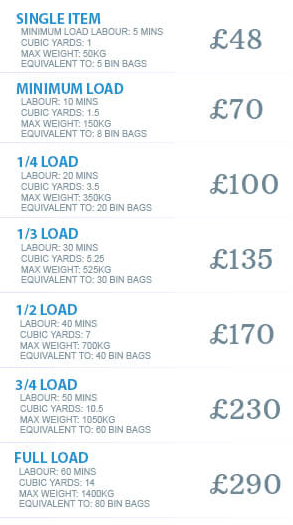
For people comparing service types, the most useful supporting pages are usually the ones that help you judge scope and value. Start with pricing and quotes if you need a clearer picture of how estimates are usually formed, and review recycling and sustainability if you care about what happens after collection. Many readers also like seeing how a company handles payment and security before they book.
If you are arranging a clearance at the same time as a larger life change, the local guides on Valentines Park waste removal tips and Ilford High Road rubbish removal may also give you a better feel for how these jobs play out across the area.
Law, Compliance, Standards, or Best Practice
Clearance and rubbish removal are not just practical jobs; they also come with responsibilities. You do not need to know every detail of waste legislation to make a safe decision, but you should understand the basics.
In the UK, householders and property managers should be careful about who removes waste and where it ends up. Best practice is to choose a provider that handles waste responsibly, keeps items traceable through proper processes, and can explain how different materials are sorted. That matters because poor disposal can create problems later, even if the job looked cheap on the day.
Safety is another big one. Large furniture, glass, heavy bags, and sharp debris can cause injury if rushed. Staircases, shared entrances, and damp weather add to the risk. If the job is awkward, it is sensible to check the provider's approach to lifting, transport, and general safety. Their insurance and safety information should answer the main questions.
Compliance also includes honesty. Be clear about what is in the load. If there are items that need special care, say so. Good operators appreciate clarity, because it helps them plan correctly and work safely. That is just how it should be.
Practical rule of thumb: If you would hesitate to put something in a general bin, it probably deserves a closer look before clearance day.
Options, Methods, or Comparison Table
Choosing the right method depends on volume, access, timing, and how sorted the waste already is. Here is a simple comparison that helps people decide without overthinking it.
| Option | Best For | Strengths | Watch Outs |
|---|---|---|---|
| House clearance | Whole-property or multi-room clear-outs | Good for mixed furniture, clutter, and estate work | Needs clear access and good item sorting |
| Rubbish clearance | Mixed household waste and bagged items | Quick and flexible for smaller loads | Not always ideal for large bulky furniture |
| Skip hire | DIY projects or gradual loading over time | Useful if you want control over the timing | Needs space, permits may be relevant, and loading is your job |
| Furniture disposal | Sofas, beds, wardrobes, chairs | Good when the main issue is bulky items | Not a full solution if the property has mixed waste too |
| Loft or garage clearance | Storage spaces, attic spaces, and overfilled outbuildings | Targets the worst clutter quickly | Can be dusty, awkward, and physically demanding |
If you are still deciding, think about time versus effort. Skip hire gives you time, but you do the loading. Clearance services reduce manual work, but you need to be ready for a scheduled collection. There is no perfect answer. Just the best fit for the day you are trying to survive, really.
Case Study or Real-World Example
A typical Seven Kings scenario goes something like this. A family is preparing to sell a mid-terrace property after years of accumulated furniture, children's items, old paperwork, and a loft full of forgotten boxes. They had planned to do it in one weekend. Ambitious, let's say that.
Once they walked through the property properly, they realised the job was really three jobs: a household clear-out, a loft sort, and a bulky furniture removal. They separated documents and valuables first, then marked items by room. The largest furniture was measured before collection, and the access route was checked so there were no surprises with stairs or parked cars.
The difference this made was not just practical. It changed the mood of the whole place. By the time the bulk items were removed, the home looked brighter, larger, and easier to clean. That in turn made the final viewing prep much less frantic. A small job? No. But manageable, yes.
This is often the moment people realise that clearance is not only about waste. It is about restoring function. A room becomes usable again. The hall feels wider. You stop stepping around the same box every day.
Practical Checklist
Use this checklist before booking or starting a Seven Kings clearance. It keeps the process calm and avoids last-minute panic.
- Walk through every room and identify what needs to go
- Separate valuables, paperwork, and sentimental items
- Check whether any items need special handling
- Measure bulky furniture and note access restrictions
- Decide whether you need house clearance, rubbish clearance, furniture disposal, or skip hire
- Take a few photos for reference if needed
- Clear hallways and entrances where possible
- Confirm the preferred date and time window
- Review pricing, payment, and terms in advance
- Do a final sweep before the team arrives
Quick reminder: the best clear-outs are usually the ones planned one step ahead, not the ones rescued at the front door.
If you need to speak to someone before moving forward, the contact page is the right place to start.
Conclusion
Seven Kings house clearance and rubbish removal works best when you treat it as a process rather than a panic job. Sort carefully. Match the service to the waste. Be honest about access. Keep an eye on safety and disposal quality. And give yourself enough time to think before the van is outside and the hallway is full.
Whether you are clearing a home for sale, dealing with a family property, or just trying to reclaim a bit of floor space, the right advice makes a real difference. It saves money in the long run, reduces stress on the day, and leaves you with a space that actually feels lighter. That is the bit people remember.
Get a free quote today and see how much you can save.
And if the job still feels bigger than it should, that is normal. Start with one room, one bag, one decision at a time. The rest usually follows.