Rubbish Access Problems in Ilford Flats Solutions
Posted on 30/06/2026

Rubbish Access Problems in Ilford Flats Solutions: Practical Ways to Move Waste Safely in Ilford Flats
If you live in a flat in Ilford, you already know the awkward bits: narrow stairwells, shared hallways, awkward parking, lift restrictions, and a bin store that seems to be designed by someone who never had to carry a broken wardrobe through it. Rubbish access problems in Ilford flats solutions are not just a convenience issue. They affect safety, timing, neighbours, building rules, and the final cost of getting waste out without drama.
In this guide, we'll break down what these access problems actually look like, why they matter, and how to handle them in a calm, practical way. We'll cover planning, common mistakes, useful tools, best-practice expectations, and the decisions that make flat clearance easier in the real world. No fluff. Just the stuff that helps when you are standing in a hallway with a mattress and wondering what on earth to do next.
Why Rubbish Access Problems in Ilford Flats Solutions Matters
Access issues in flats are easy to underestimate. A job that looks straightforward from inside the living room can become fiddly the moment you reach the communal corridor. One tight bend, one low ceiling, or one locked gate can turn a simple rubbish removal into a slow, messy process. That matters because delays usually mean more disturbance for residents, more risk of damage, and sometimes a higher bill if the job has to be handled in stages.
In Ilford, flats can range from older converted properties with steep stairs to newer apartment blocks with lifts, concierge desks, timed loading bays, and strict building rules. Each type of building creates its own access puzzle. If you do not plan for that early, you may end up with waste piled in a doorway or leaving items in a communal area longer than is sensible. And let's face it, nobody enjoys being the neighbour whose old sofa blocks the hallway at 8.30 in the morning.
This is also about trust and professionalism. A clean access plan shows that the removal is being handled properly, not rushed. That matters for landlords, tenants, letting agents, estate managers, and families clearing a flat after a move. For broader background on local living conditions and what affects day-to-day practicality, you may also find local insights on living in Ilford helpful, especially if you are weighing up how building layout affects everyday tasks.
Expert takeaway: most access problems are not "rubbish problems" at all. They are planning problems. Once the route, timing, and handling method are clear, the rest becomes much easier.
How Rubbish Access Problems in Ilford Flats Solutions Works
At a practical level, the process starts with identifying the path waste must take from the flat to the collection point. That sounds obvious, but in flat buildings the route often involves several bottlenecks: a front door, an internal landing, shared stairs, a lift, a lobby, a coded gate, and then a street-facing point where a vehicle can stop. If any one of those points is awkward, the whole operation slows down.
The usual solution is to match the waste type to the access route. Small mixed rubbish bags may be fine through a lift and out to the kerb. Bulky furniture may need disassembly. Builder's rubble or heavy sacks may need a shorter carry route and a vehicle parked as close as possible. Sometimes the best option is to remove waste in several smaller runs rather than forcing one huge lift. It sounds a bit more work. In practice, it often saves time.
A good plan usually includes:
- checking stair width, turning space, and lift size
- confirming whether the building allows service vehicles or loading bay use
- protecting communal floors and walls before moving items
- separating items that need special handling, such as fridges, mattresses, or electricals
- agreeing the collection time so neighbours are not disrupted unnecessarily
If you are dealing with a larger flat clearance, the building access question becomes even more important. For heavier household loads, the dedicated house clearance in Ilford service may be a better fit than trying to improvise. For renovations and renovations-related debris, builders waste clearance in Ilford can be more suitable because the handling approach is different.
There is no one-size-fits-all answer, which is why good rubbish access planning feels less like a quick pickup and more like a small logistical job. Not glamorous, maybe. Very useful, absolutely.
Key Benefits and Practical Advantages
When access is managed properly, the benefits are immediate. The obvious one is that waste leaves the property without becoming a nuisance. But there are several other advantages that are easy to miss if you only focus on speed.
- Less risk of damage: careful route planning reduces scuffed walls, scratched bannisters, and chipped corners.
- Fewer delays: when the access route is clear, crews spend less time guessing and more time clearing.
- Better neighbour relations: short, tidy removal windows reduce corridor congestion and noise.
- Safer lifting: smaller loads and better handling reduce strain and accidents.
- Cleaner shared spaces: protective coverings and controlled movement keep communal areas in better shape.
- More predictable pricing: fewer surprises mean fewer add-on charges for difficult access or extra labour.
For residents comparing removal options, access-friendly planning can also make a big difference between a stressful one-off job and a smooth, repeatable process. If you are still figuring out the wider service landscape, the services overview is a useful place to compare how different types of clearance fit different property setups.
There is also a sustainability angle. If waste is sorted at the source and loaded carefully, recycling and reuse become much easier downstream. That is not just good practice; it often makes the whole job more efficient. You can read more about the company's approach to recycling and sustainability if you want the bigger picture.
Who This Is For and When It Makes Sense
This topic matters to more people than you might expect. Flat residents are the obvious group, but they are not the only ones dealing with access headaches. Managing agents, landlords, letting teams, sellers, buyers, contractors, and even family members helping with a declutter can all run into the same problem.
It makes sense to think about access planning if:
- your flat is above ground floor level
- there is no lift, or the lift is small or unreliable
- the building has strict time slots for collections
- parking is limited or controlled
- you are clearing bulky items like beds, wardrobes, or white goods
- you are dealing with mixed waste after a move, tenancy end, or refurbishment
- you need the hallway or communal areas to remain clear for neighbours
It also matters if you are buying, selling, or preparing a rental. A cluttered flat with poor access is harder to manage, full stop. If you are planning a move or thinking about property conditions in the area, these related reads may help: purchasing homes in Ilford and real estate strategies for buying in Ilford.
To be fair, this is one of those jobs where small details make a big difference. A narrow doorway can matter more than the size of the pile itself.
Step-by-Step Guidance
Here is a practical way to handle access issues without overcomplicating things. You do not need a grand plan. You need a clear one.
- Look at the route first. Walk from the flat to the exit and note every obstacle: tight corners, stairs, lift dimensions, key fobs, gates, and parking restrictions.
- Measure bulky items. Wardrobes, sofas, mattresses, and desks are the usual culprits. If they cannot turn the corner, they may need partial dismantling.
- Separate waste into types. Keep general rubbish, reusable furniture, electricals, and heavy debris apart. It makes handling quicker and safer.
- Check building rules. Some blocks need advance notice, booked lift slots, or protection for communal flooring.
- Choose the right removal method. A small load may suit bagged collection, while a bigger flat clearance may suit a fuller team and vehicle. If you need bulkier item support, furniture disposal in Ilford is often the cleaner route.
- Protect the property. Use floor coverings, corner protection, and careful lifting when items pass through shared areas.
- Schedule a realistic time window. Morning or mid-morning often works best in apartment buildings, but always check the block's rhythm. Some places are quiet until school-run time, then suddenly busy. Funny how that happens.
- Confirm access on the day. Make sure keys, door codes, and loading arrangements are ready before the team arrives.
- Do a final sweep. Check cupboards, balconies, utility spaces, and storage cages. In flats, forgotten items love hiding in plain sight.
If your flat is part of a block with shared storage or overflow waste issues, regular rubbish collection in Ilford can be a sensible follow-up after the main clearance. For everyday mixed waste, rubbish clearance in Ilford is often the most direct option.
Expert Tips for Better Results
Good access planning is mostly about reducing friction before it starts. That sounds obvious, but most issues happen because people assume the route will "probably be fine." Probably is not a plan.
- Book with the lift and the building in mind. If you know the lift is small, mention it early rather than at the door.
- Keep packaging and loose debris bagged. Loose bits create trip hazards in hallways and slow everybody down.
- Disassemble before collection if you can. Flat-pack furniture is much easier to handle in pieces.
- Use a staggered load-out. Smaller runs are often smarter than one giant carry that gets stuck in the corridor.
- Think about noise. Metal bed frames, dragged items, and dropped screws echo through flats more than people expect.
- Ask about parking before the day. In many Ilford streets, especially around busier areas, parking can be the difference between a neat pickup and a slow one. If you want local context, the Ilford High Road rubbish removal guide is a useful read.
One small but useful habit: keep a roll of tape and a marker nearby. Label the items that stay, the items that go, and the things that must not be touched. It prevents muddles. Not exciting, but very effective.
For residents near busier transport or tube-linked spots, timing matters even more. A removal done just before peak foot traffic is a different story from one done later in the day. The practical lessons in Gants Hill rubbish removal near the tube are relevant here too.

Common Mistakes to Avoid
Most access problems are made worse by avoidable mistakes. The good news is that once you know the traps, they are easy to dodge.
- Underestimating item size. A sofa that looks manageable in the lounge can become impossible at a stair turn.
- Leaving everything for the last minute. Last-minute flat clearances usually create more hallway clutter and more stress.
- Ignoring building rules. Many apartment blocks have restrictions for noise, access times, or use of shared spaces.
- Failing to separate reusable or special items. This slows the whole job and can affect disposal handling.
- Choosing the wrong vehicle or method. A van may be enough for a few bags, but not for a full flat clearance.
- Forgetting to ask about hidden charges. Difficult access, extra carrying distance, and waiting time can all affect the final price if they were not discussed upfront. For more on that, see how to avoid hidden rubbish removal charges in Ilford.
There is a slightly awkward truth here: the cheapest quote on paper can become the most expensive job if access is badly handled. That is why transparency matters so much.
Tools, Resources and Recommendations
You do not need specialist equipment for every job, but a few practical tools can make flat clearance far easier. Think of them as helpers, not essentials.
- Measuring tape: useful for door frames, lift interiors, and furniture dimensions.
- Strong bin bags or heavy-duty sacks: better for controlled movement through shared corridors.
- Furniture blankets or floor protection: helps reduce marks and scuffs.
- Basic screwdriver or Allen keys: handy for flat-pack dismantling.
- Labels or sticky notes: useful when several people are sorting items.
- Gloves and sensible footwear: because yes, toes and stair edges are not friends.
On the service side, different situations call for different approaches. If you are dealing with a large overhaul, house clearance in Ilford is a sensible option. For a loft stuffed with boxes and awkward items, loft clearance in Ilford can be more appropriate. If you are clearing a garage full of old tools, paint tins, and forgotten clutter, garage clearance in Ilford may fit better.
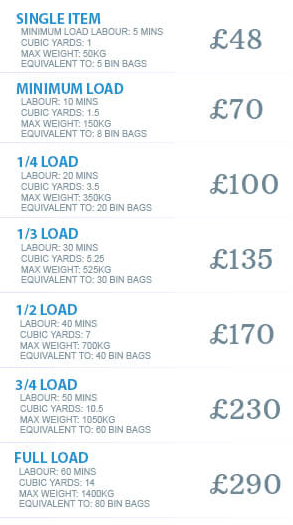
And if you want to compare likely costs before you book, the pricing and quotes page is a sensible place to start. It helps set expectations before anyone lifts a thing.
Law, Compliance, Standards, or Best Practice
When rubbish leaves a flat, it still needs to be handled responsibly. The main practical point for residents is simple: make sure waste is passed to someone who can deal with it properly, and do not leave items in communal areas longer than necessary. In apartment buildings, that is often as much about building rules and neighbour courtesy as it is about formal compliance.
In the UK, waste handling is expected to follow accepted duty-of-care principles. In plain English, that means you should think carefully about who removes the waste, how it is transported, and whether it is likely to be dealt with responsibly. If something is bulky, hazardous, electrical, or recyclable, it should be handled with the right care rather than just shoved into the nearest pile.
Best practice in flat clearances usually includes:
- keeping shared hallways and fire routes clear
- protecting surfaces during removal
- separating recyclable or reusable items where possible
- avoiding unsafe manual lifting
- confirming insurance and safety arrangements for the job
If safety is a concern, it is worth reviewing the company's insurance and safety information before booking. That is not overcautious; it is sensible. For a broader picture of how the business operates, you can also read about us.
One more thing: if you are clearing after renovation work, do not mix builder's debris with normal domestic waste unless you know it can be handled that way. It sounds fussy, but it avoids headaches later.
Options, Methods, or Comparison Table
There are usually several ways to deal with flat rubbish, and the best option depends on volume, access, urgency, and the type of waste. Here is a simple comparison to help you think it through.
| Method | Best For | Pros | Watch Outs |
|---|---|---|---|
| Bagged rubbish collection | Smaller mixed waste loads | Quick, tidy, simple to move through tight access | Not ideal for bulky furniture or heavy debris |
| Full flat clearance | End-of-tenancy clearances, moves, bereavement clear-outs | More complete, less disruption to manage yourself | Needs better planning for stairs, lifts, and parking |
| Furniture disposal | Sofas, wardrobes, mattresses, dining sets | Good when the main issue is large items rather than loose rubbish | May require dismantling or a wider corridor route |
| Skip hire | Longer jobs with predictable waste flow | Useful if you can load gradually | Access, parking, and permits can complicate flat settings |
| Junk removal | Mixed clutter, odd items, and one-off clear-outs | Flexible and convenient for irregular loads | Still needs clear access planning to avoid delays |
For many flats, the most practical answer is a combined approach: sort what can go, identify bulky items early, then choose the service that best matches the route out of the building. If you are unsure, junk removal in Ilford is often a useful middle ground for mixed loads.
Case Study or Real-World Example
Imagine a two-bedroom flat in a typical Ilford block. The residents are moving out, the hallway is narrow, and the lift is just big enough for two people and a shopping trolley, which is honestly a bit optimistic for anything else. They have a sofa, a bed frame, three bags of general rubbish, and a broken desk.
At first glance, they think it will all go in one go. Then they try the sofa in the hallway and realise the corner turn is the problem. So the sofa is dismantled, the desk is broken down, and the mattress is wrapped before moving. The bags go first, then the disassembled frame, then the larger pieces. One resident stands near the door, one manages the lift, and the access route stays clear the whole time.
The result? No hallway pile-up, no dented wall, no irritated neighbour opening their door to ask what the racket is. More importantly, the final removal feels controlled instead of chaotic.
That kind of practical adjustment is exactly why access planning matters. It is rarely about brute force. Usually, it is about sequencing and patience. Bit boring, maybe. Very effective, definitely.
Practical Checklist
Use this checklist before any flat rubbish removal in Ilford. It will save you time, and probably a bit of stress too.
- Measure the largest items before collection day
- Check the lift size, stairwell width, and turning space
- Confirm parking or loading access for the vehicle
- Ask the building manager about any access rules or time windows
- Protect floors, walls, and corners in shared areas
- Separate bulky furniture from bagged rubbish
- Label anything that must stay in the flat
- Make sure keys, entry codes, or fobs are ready
- Take out fragile items before the main clearance starts
- Check whether you need furniture disposal, rubbish clearance, or a fuller house clearance
- Ask for pricing clarity if access looks difficult
- Leave hallways and exits unobstructed
If you are preparing a flat for sale or a move, it can also help to think about the wider local context. A few pages worth browsing are purchasing homes in Ilford and exploring the hidden gems of Ilford London if you want a better feel for the area while you plan.
Get a free quote today and see how much you can save.
Conclusion
Rubbish access problems in Ilford flats are usually manageable once you slow down and look at the route, the waste type, and the building rules. That is the real solution. Not guesswork, not rushing, and not hoping the sofa will magically bend around a corner. When you plan properly, flat waste removal becomes safer, tidier, and less disruptive for everyone involved.
Whether you are clearing a single bulky item or handling a full flat clearance, the smartest move is to match the removal method to the building rather than fighting the building itself. That one decision saves a surprising amount of hassle. And in a busy place like Ilford, a calmer job is usually the better job.
If you want a friendly next step, start by checking access, sorting the waste, and comparing the right service for the load. Small effort now, much easier day later.