Redbridge Council Rubbish Rules and Fines Explained for Ilford
Posted on 31/07/2026
If you live or work in Ilford, rubbish rules are one of those things that only seem simple until you are standing on the pavement with a bin bag, a broken chair, or a pile of renovation waste and wondering, "Can I leave this here?" That is exactly why Redbridge Council Rubbish Rules and Fines Explained for Ilford matters. A small mistake can turn into a warning, a rejected collection, or a fine that feels completely avoidable. The good news? Once you understand the basics, it becomes much easier to stay on the right side of the rules and keep your property tidy without stress.
This guide breaks down what residents in Ilford should know about rubbish disposal, fly-tipping risks, bin presentation, bulky waste, and the practical steps that help you avoid penalties. It is written for real life, not theory. Because, let's face it, rubbish builds up faster than anyone plans for.

Why Redbridge Council Rubbish Rules and Fines Explained for Ilford Matters
Ilford is busy, dense, and full of different property types: terraced houses, flats, converted buildings, HMOs, offices, shops, and homes with awkward side access. That mix matters because waste rules affect everyone differently. A family on a quiet residential street might only need to think about bin day and garden waste, while someone in a flat near the High Road may need to manage shared bins, limited storage, and collection timing more carefully.
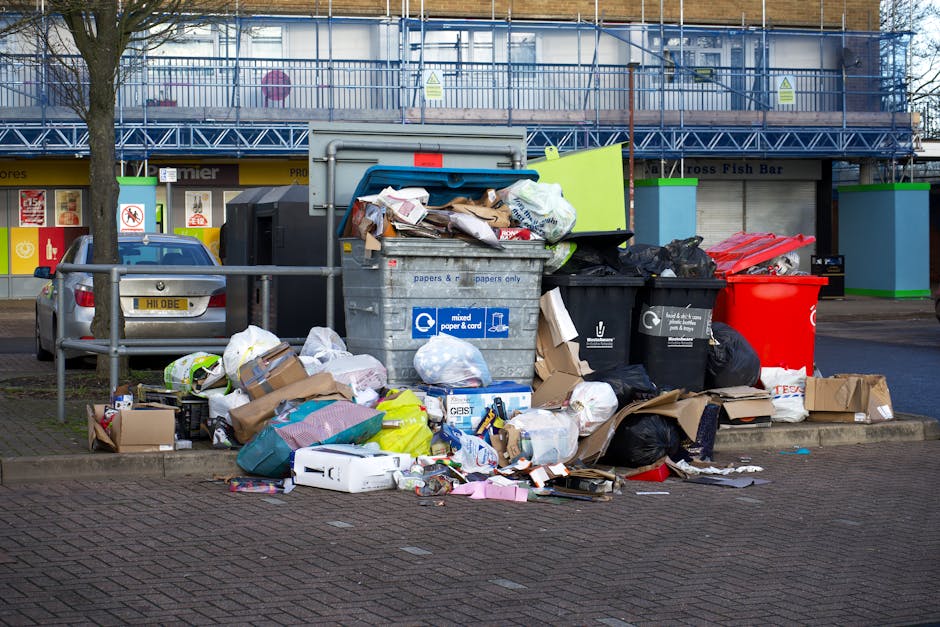
The practical reason these rules matter is straightforward: rubbish left out incorrectly can attract complaints, block pavements, create hazards, or be treated as fly-tipping. In everyday terms, that means a bag put out too early, furniture dumped beside a full communal bin, or builders' waste left where it should not be can cause trouble very quickly.
There is also the money side. Fines, clearance costs, and the knock-on effect of repeat issues can add up. Even if a council penalty is not the first outcome, you may still face time wasted dealing with removals, arranging collection, or responding to neighbours and landlords. If you are buying or living in the area, our local insights for living in Ilford give a useful sense of the area's day-to-day realities, and that includes how waste can shape communal living.
Expert summary: Most rubbish problems in Ilford are not caused by "big offences" at the start. They usually begin with small, avoidable habits: the wrong time, the wrong place, or the wrong disposal method.
How Redbridge Council Rubbish Rules and Fines Explained for Ilford Works
At a practical level, council rubbish rules usually cover where waste should be stored, when it can be presented for collection, what counts as household waste, and how bulky or special items should be handled. In Ilford, the key is to treat waste as something that must be managed with care, not simply left wherever it is easiest.
While exact procedures can vary depending on the waste type and your property setup, the general pattern is familiar:
- Household rubbish goes in the correct container or bin.
- Bins are put out at the right time, not days early.
- Recycling is separated properly.
- Bulky items are booked or removed through the right route.
- Builders' or trade waste is not left with normal domestic rubbish.
- Nothing is abandoned on pavements, beside communal bins, or in alleyways.
If the council believes waste has been handled badly, there may be an investigation, a warning, an enforcement notice, or a penalty depending on the situation. Serious or repeated non-compliance can become more costly and more awkward than people expect. A fine is annoying; an escalating pattern is worse.
There is one thing to keep in mind: not every rubbish issue ends in a fine. Sometimes the council is mainly concerned with getting the waste moved, preventing repeat problems, or identifying who is responsible. But if waste is left in a way that looks deliberate or careless, that is when the risk rises.
For broader service planning, it can help to look at the full range of rubbish and waste services available in Ilford, especially if you are dealing with more than one type of clearance at once.
Key Benefits and Practical Advantages
Following the rules is not just about avoiding trouble. It makes your life easier. A tidy, compliant waste routine saves time, reduces neighbour complaints, and prevents those last-minute "what do I do with this now?" moments on a Sunday evening.
Here are the most practical advantages:
- Lower enforcement risk: You avoid the small mistakes that can trigger warnings or fines.
- Better property appearance: Clean frontages, shared areas, and driveways matter in Ilford, especially in busy streets.
- Less stress with landlords or managing agents: This is a big one in flats and HMOs.
- Safer shared spaces: No trip hazards, blocked walkways, or rotting waste bags.
- Improved recycling habits: Sorting correctly usually becomes easier once the system is clear.
There is also a hidden benefit: once you know the rules, you make better decisions about clearance options. For example, instead of overloading a black bin, you might plan a booking for bulky waste or arrange a proper collection. That tends to work out better than improvising on the fly. Improvising is fine for dinner. Less so for a sofa.
If you are comparing waste removal options, this area can be useful too: rubbish clearance in Ilford and rubbish collection in Ilford can be a cleaner fit than trying to squeeze everything into regular bins.
Who This Is For and When It Makes Sense
This topic is relevant to more people than you might think. It is not just for landlords or people who have had a warning already. In our experience, the people who benefit most are often the ones who are about to move, renovate, clear a room, or deal with shared waste areas for the first time.
- Tenants: Useful if you are in a flat, HMO, or managed property and want to avoid charges or complaints.
- Landlords and letting agents: Important for keeping communal bins and external areas under control.
- Homeowners: Especially relevant if you are clearing lofts, garages, or gardens.
- Business owners: Offices and shops in Ilford need to avoid mixing business waste with domestic disposal routes.
- Builders and tradespeople: Construction waste must be handled properly, not left for "later."
It also makes sense if you are preparing a sale or purchase. A property with obvious rubbish issues can look neglected, and that is not a great first impression. If you are in that stage, our articles on real estate strategies for buying in Ilford and purchasing homes in Ilford may help you think a little more strategically.
Step-by-Step Guidance
If you want to stay compliant and avoid unnecessary fines, use a simple routine. It does not need to be complicated. In fact, the simpler it is, the more likely you are to stick with it.
- Identify the waste type. Is it household rubbish, recycling, garden waste, bulky furniture, electrical items, or builders' waste? The route matters.
- Check where it should go. Bin, booked collection, licensed clearance, or a specialist service. Do not guess if you can avoid it.
- Separate reusable or recyclable items. This is one of the easiest ways to reduce volume and tidy up faster.
- Store waste safely until collection. Keep it inside where possible, or in a designated area if you share external space.
- Present bins at the proper time. Not too early, not blocking access, and not in a place where they become a nuisance.
- Remove bulky waste through the correct route. Sofas, beds, mattresses, wardrobes, and broken white goods usually need special handling.
- Record the appointment or service details. If there is ever a dispute, having basic proof helps.
- Follow up promptly if waste is missed or left behind. The longer it sits, the more likely it is to become a problem.
A quick real-world example: if you are clearing out a spare room before new tenants move in, do not leave the old bed frame and broken desk by the communal bins "for the morning." That is exactly how a small job becomes a complaint. Get the waste route sorted before the room is empty, not after.
For larger clear-outs, many people choose a fuller service such as house clearance in Ilford or, where the property has more awkward contents, garage clearance in Ilford. If the issue is a top-floor store room or awkward access, loft clearance in Ilford can be a more sensible fit.
Expert Tips for Better Results
Here are the practical habits that make the biggest difference. None of them are flashy, but they work.
- Keep an eye on communal areas early in the week. A pile that is manageable on Monday can be a full-on mess by Friday.
- Do not mix builder's debris with household rubbish. Bricks, plasterboard, timber, and packaging can cause problems if they are tossed into normal bins.
- Break down bulky items where safe. Flat-pack furniture, cardboard, and soft furnishings often take up far less space once dismantled.
- Protect access routes. If waste has to be moved through a narrow hallway or shared entrance, plan that part first.
- Choose the correct disposal route for garden cuttings. Compostable waste is different from general rubbish, and it is worth keeping separate.
- Take photos before and after a clearance. Not because you are being dramatic, but because a tidy record can resolve a lot of back-and-forth.
If you need the work done quickly, consider timing. Friday afternoon or just before bank holiday weekends can be messy. Collections, access, and parking all get tighter. One of those annoying London realities, really.
For people dealing with outdoor waste specifically, garden waste removal in Ilford can save you from stuffing green waste into the wrong container. And if you are dealing with renovation leftovers, builders' waste clearance in Ilford is the safer route.

Common Mistakes to Avoid
Most rubbish fines and complaints come from predictable mistakes. The good news is that they are predictable. So you can avoid them.
- Leaving waste out too early. This is especially common in busy streets and flats where people assume "one night early" is harmless.
- Using the wrong bin. Sounds basic, but it happens a lot when bin stores are shared.
- Dumping items beside full bins. This often gets treated as abandoned waste, not an innocent overflow.
- Ignoring bulky item rules. A mattress or wardrobe needs more planning than a black bag.
- Assuming someone else will deal with it. Shared housing can create a lot of finger-pointing. Not helpful.
- Mixing domestic waste with trade waste. That one causes more trouble than people expect.
- Forgetting access and parking. A clearance team cannot always magic away a blocked street or a locked gate.
There is also the subtle mistake of underestimating how fast rubbish becomes an eyesore. A small pile in the evening can look twice as bad by morning, especially in wet weather when bags slump and smells start. Nobody wants that.
If access is your issue rather than volume, this guide on rubbish access problems in Ilford flats is worth a look. And if timing is what keeps going wrong, how to avoid late pickup delays in Ilford is a practical read.
Tools, Resources and Recommendations
You do not need a big toolkit to stay compliant, but a few things help.
- Labels or markers: Useful in shared spaces so bins and bags are clearly identified.
- Heavy-duty sacks: Better for dense waste, though they still need to be used properly.
- Basic measuring tape: Handy for checking whether furniture can be dismantled before moving it.
- Phone camera: Great for keeping a record of what went out and when.
- Simple calendar reminders: A small nudge for bin day prevents a lot of stress.
For planning, it can also help to compare service types before you commit. A one-off clear-out is not the same as ongoing collection or skip placement. For example, skip hire in Ilford can work well on longer jobs with space available, while junk removal in Ilford is often better when you want fast removal without managing the skip yourself.
If you want to understand what a provider should offer at a basic level, the insurance and safety page gives a useful sense of the standards you should expect from a responsible team. That sort of thing matters more than people think. Especially when there are stairs, tight hallways, or fragile walls involved.
Law, Compliance, Standards, or Best Practice
This subject touches on waste law, property responsibility, and nuisance prevention, so it is worth being careful. In the UK, waste must generally be handled responsibly, and householders are expected to ensure waste is not dumped, left in a dangerous place, or handed to someone unlicensed. Councils also have powers to enforce against improper disposal and fly-tipping.
Because rules can change and enforcement can depend on circumstances, the safest approach is to follow recognised best practice:
- Keep waste on your property until collection wherever possible.
- Use approved collection or clearance routes for bulky, commercial, or hazardous items.
- Do not abandon items on land, pavements, alleyways, or shared spaces.
- Separate recyclables and special waste where required.
- Make sure anyone removing waste is operating properly and responsibly.
It is also wise to check the rules relevant to your property type. Flats and managed buildings often have extra requirements from landlords or managing agents, and those can sit alongside council expectations. So even if "everyone else does it" seems normal, that does not make it the right method. Truth be told, a lot of waste trouble starts with casual copying.
When in doubt, use a licensed professional route and keep the paperwork or booking confirmation. If you are dealing with a property sale, purchase, or turnover, the information in exploring the hidden gems of Ilford and the Ilford High Road rubbish removal guide may also help you think through local logistics and access.
Options, Methods, or Comparison Table
Different waste situations call for different methods. Here is a simple comparison to help you choose more confidently.
| Method | Best for | Pros | Watch out for |
|---|---|---|---|
| Regular council bin use | Everyday household waste and recycling | Simple, familiar, low effort | Not suitable for bulky, heavy, or excess waste |
| Booked bulky waste collection | Furniture, white goods, and one-off items | Usually straightforward and cleaner than leaving items out | Needs planning and correct item prep |
| Skip hire | Longer projects, renovations, larger volumes | Good capacity, useful for multi-day work | Space, permits, and loading discipline matter |
| Man-and-van style rubbish removal | Quick clear-outs, mixed household waste, awkward access | Fast, flexible, less disruption | Choose carefully and confirm what is included |
For many Ilford households, the decision is mostly about access and timing. If the waste is sitting in a flat with no lift, a smaller hands-on collection can be easier than waiting on a larger setup. If the waste comes from a loft or garage, a targeted service may save a lot of effort. There is no one perfect answer, which is annoying but true.
If you are comparing your options and want a practical route through different jobs, start with service options overview and then check the relevant area page like house clearance in Ilford or furniture disposal in Ilford.
Case Study or Real-World Example
Here is a typical Ilford scenario. A family in a terraced house near a busy road is clearing out after a long tenancy. The loft has old boxes, a broken chair, a mattress, and a few bags of mixed rubbish. The back access is narrow, the front pavement is used by neighbours, and the next bin day is still two days away.
At first, the obvious temptation is to leave everything near the front wall and deal with it later. But later is where the problems begin. Neighbours see the pile, one bag tears in damp weather, and the mattress makes the whole front look neglected. Not ideal.
The better approach is simple: sort the waste, separate anything reusable, remove the bulky item through a proper route, and book a collection for the remainder. The family clears the space in one go, the frontage stays clean, and the risk of complaint disappears. No drama. Just less mess.
This is also where a professional clearance can make life easier. A service like house clearance in Ilford or loft clearance in Ilford can turn a stressful half-day into a straightforward job. If the property is being handed back quickly, that practical difference matters a lot.
Practical Checklist
Use this checklist before you put anything out or book a collection.
- Have I identified the waste type correctly?
- Does this belong in a regular bin, recycling container, or a special collection?
- Is anything bulky, heavy, sharp, or awkward?
- Have I kept the waste off pavements, shared land, and communal access areas?
- Do I know the collection time and access requirements?
- Have I separated reusable items and recyclables where possible?
- If this is trade or renovation waste, have I used the correct clearance route?
- Do I need help with stairs, tight access, or parking restrictions?
- Have I kept a note, photo, or booking record?
- Would a professional collection save time, stress, or potential fines?
That last question is worth asking honestly. Sometimes the cheapest option on paper is not the cheapest after the hassle is counted in. Especially in a place as busy as Ilford, where space and time can both feel tight.
Get a free quote today and see how much you can save.
Conclusion
Redbridge Council rubbish rules are not there to make life awkward. They exist to keep streets clear, shared spaces usable, and waste under control. For Ilford residents, the real challenge is usually not the rule itself but the everyday logistics: where to keep items, when to move them, and how to avoid the kind of mistake that leads to a warning or a fine.
Once you know the basics, the whole thing becomes much more manageable. Separate waste properly, avoid leaving items out early, choose the right disposal route, and get help when the job is bigger than a bin can handle. Simple, really. Not always easy, but simple.
If you want to stay on the safe side, the best approach is a calm one: plan early, keep things tidy, and use the right service for the right job. That is usually enough to avoid most problems before they start. And that is a relief, honestly.